

More Danger
Internal Biometrics

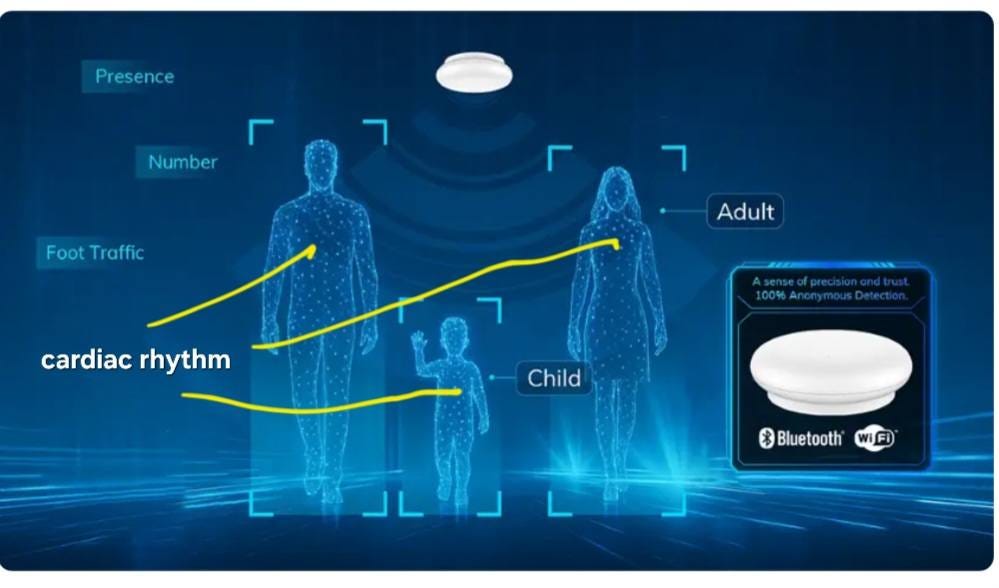
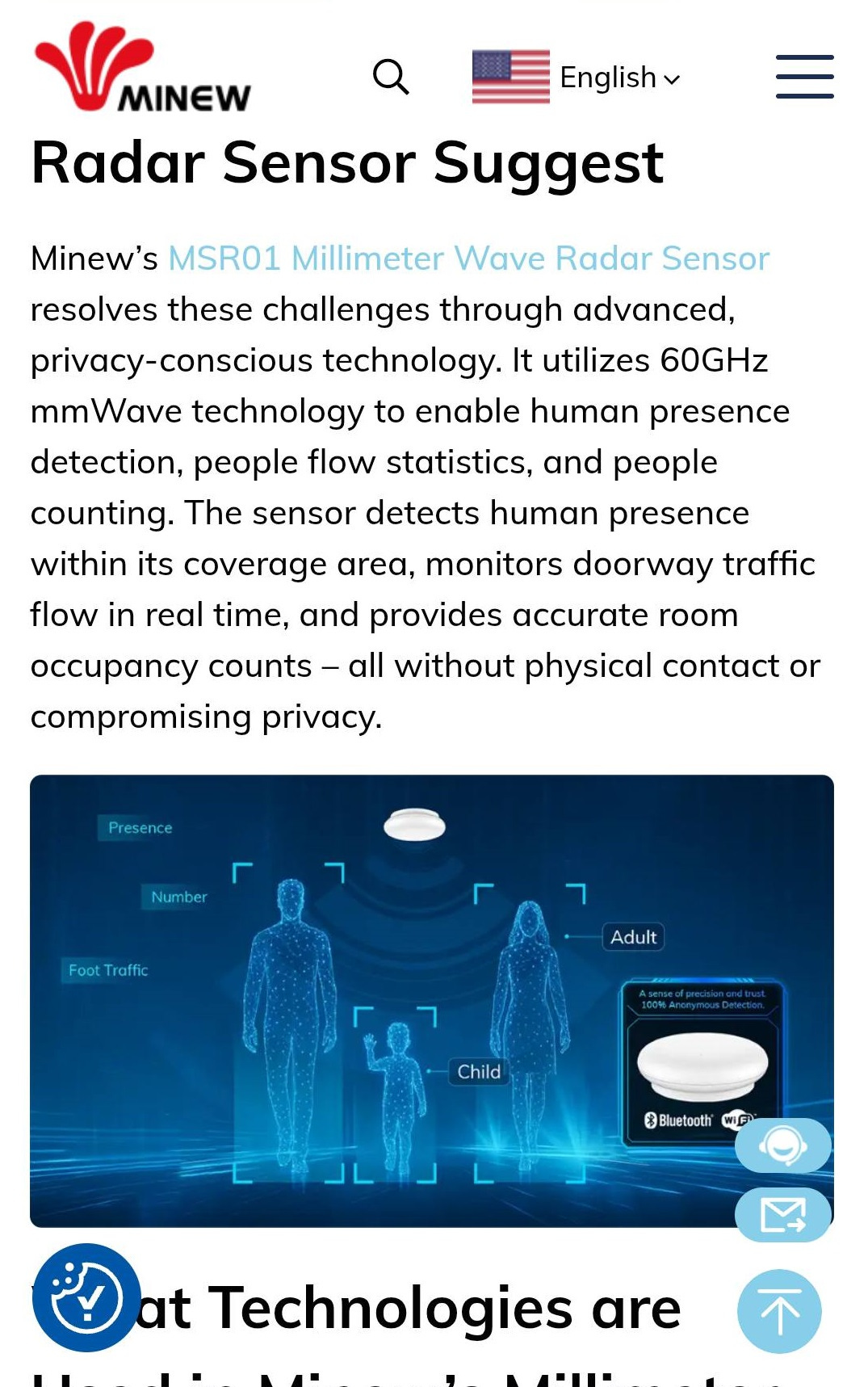
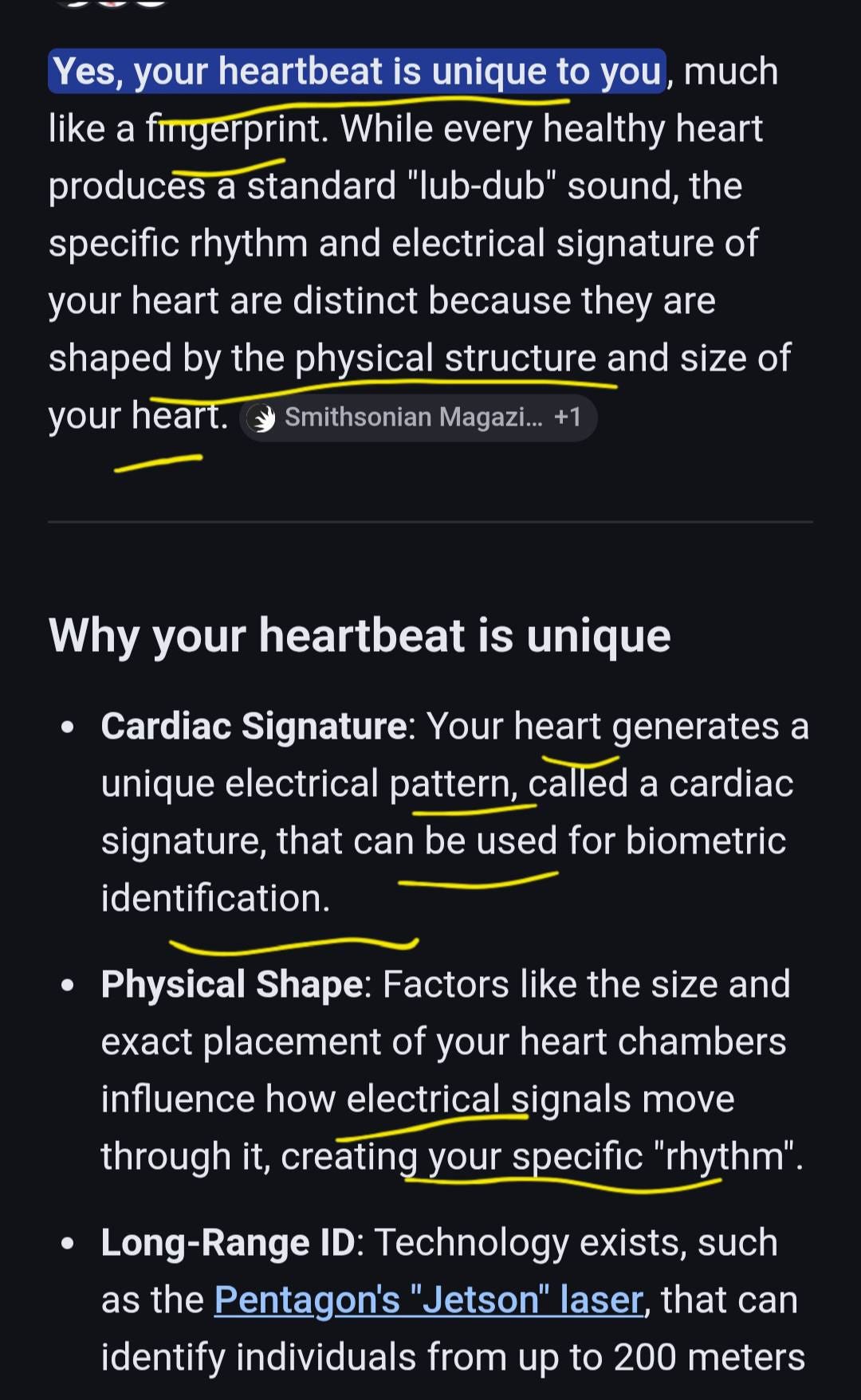
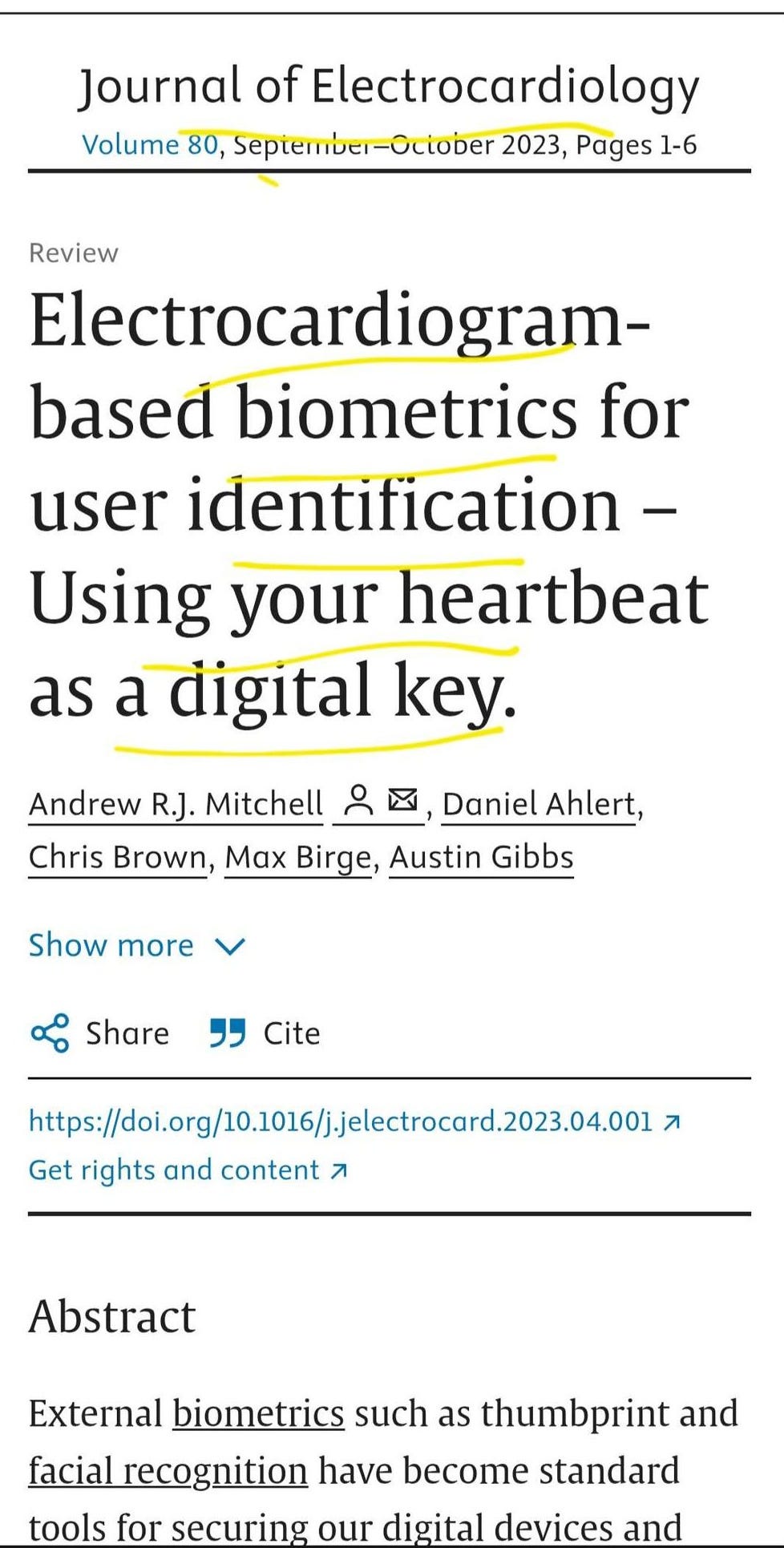
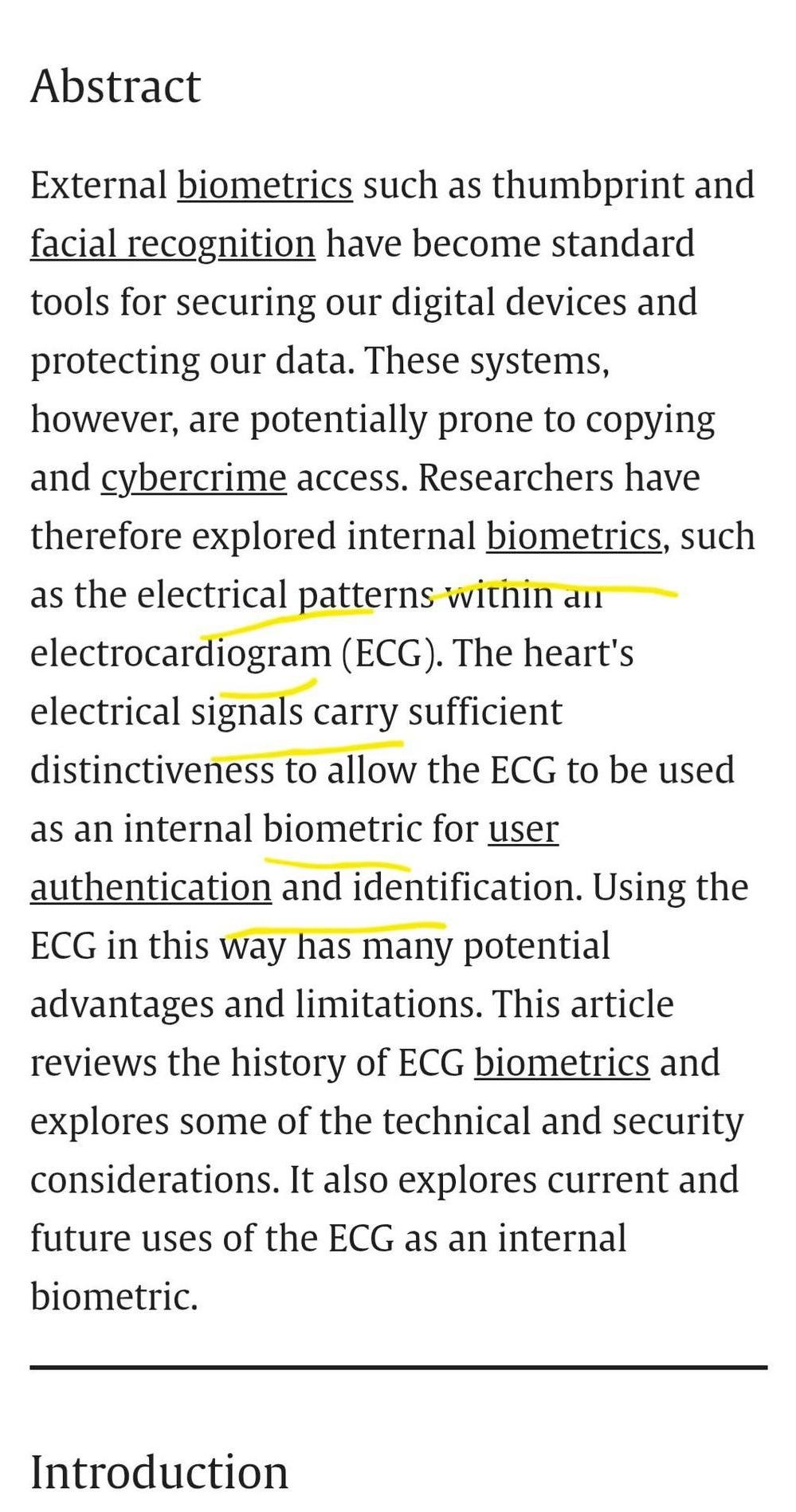
Everyone has a unique, identifiable heartbeat or cardiac signature. This uniqueness is determined by the characteristics of the heart including the size of its chambers.
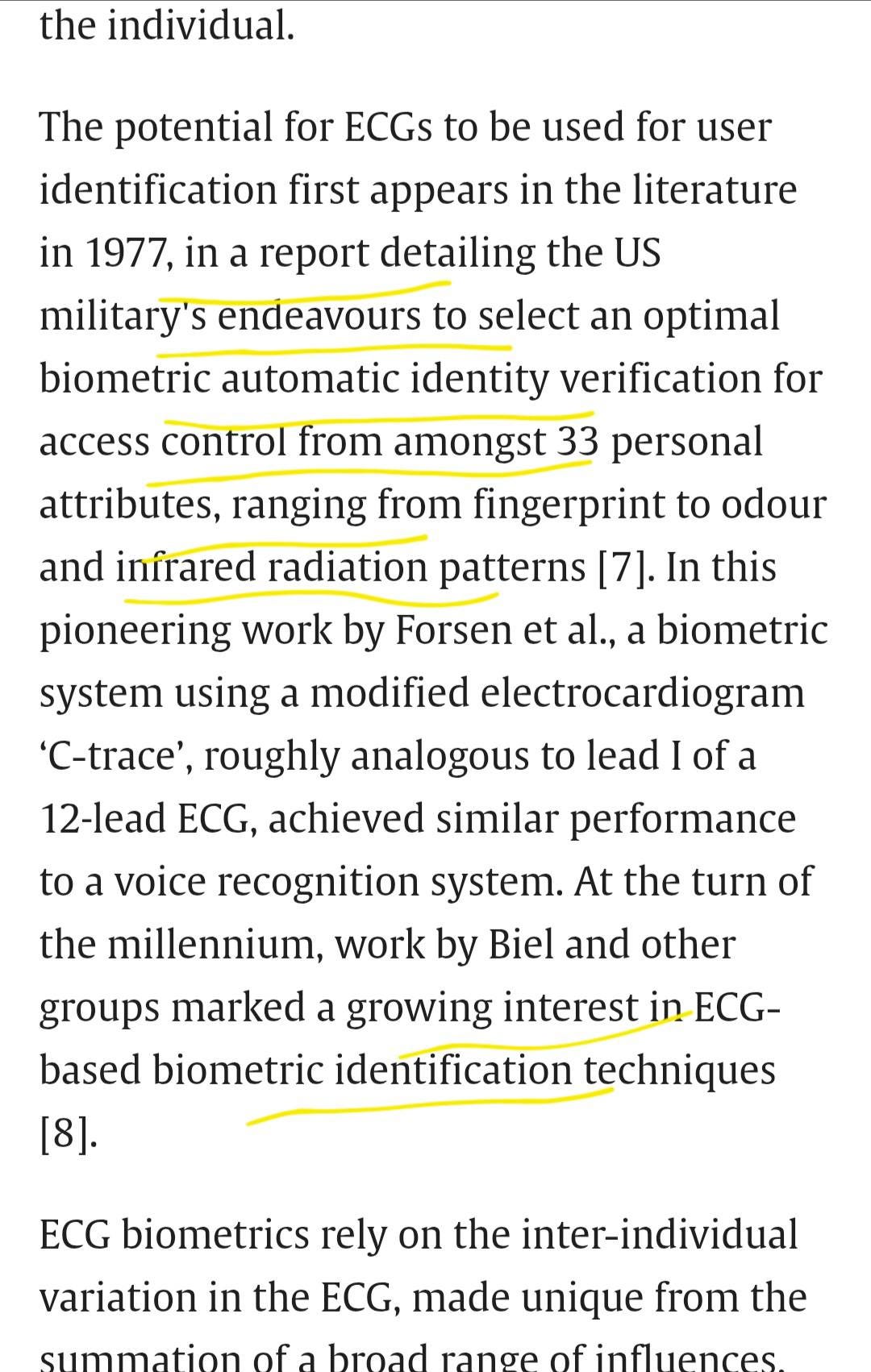
Since at least 1977 technology has existed to identify someone by their heart beat or cardiac signature.
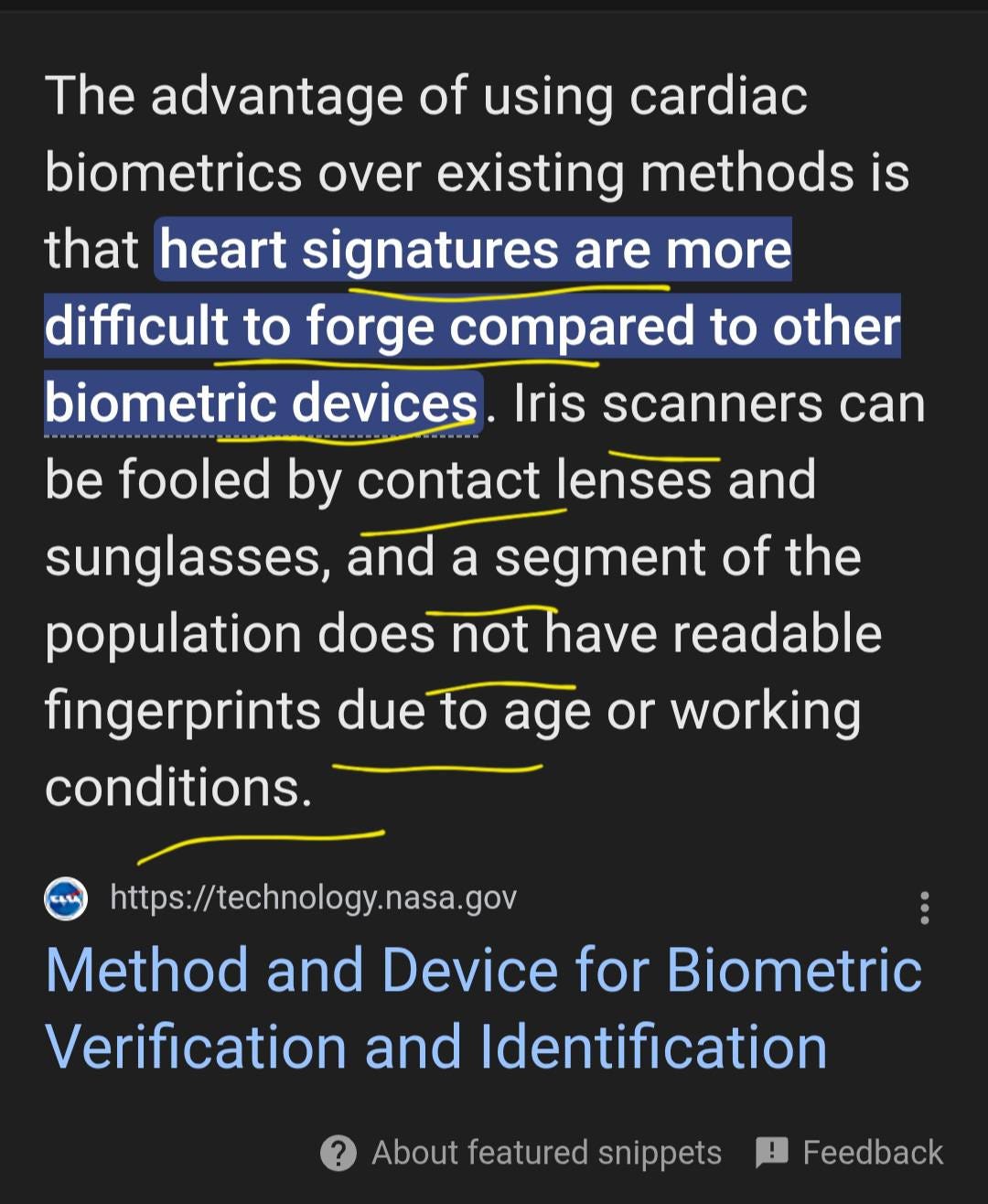
In terms of biometrics, cardiac signature is less likely to be changed unlike fingerprints which can change due to aging or hands related work or iris detection which can change due to contact lenses or sunglasses.
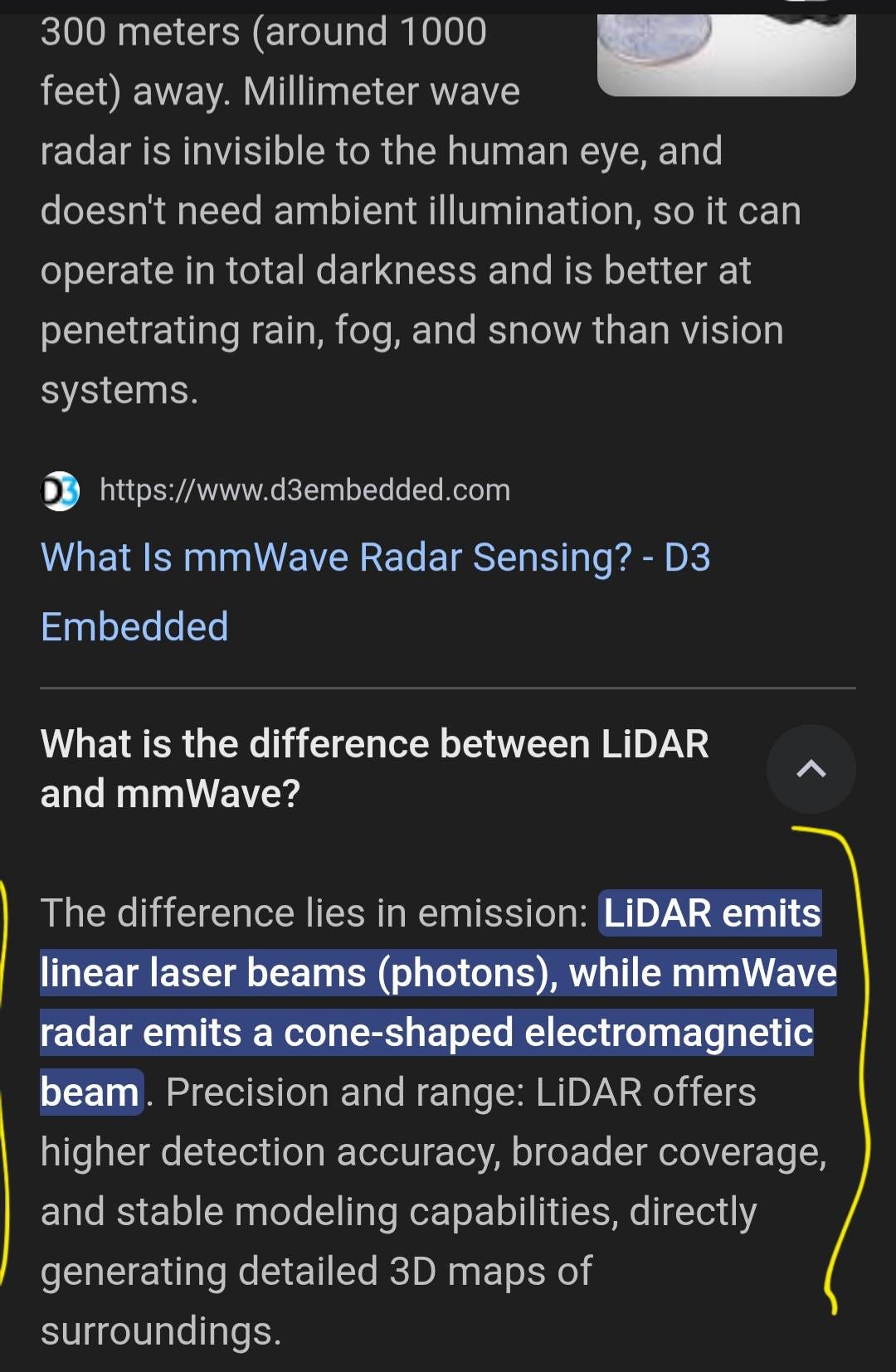
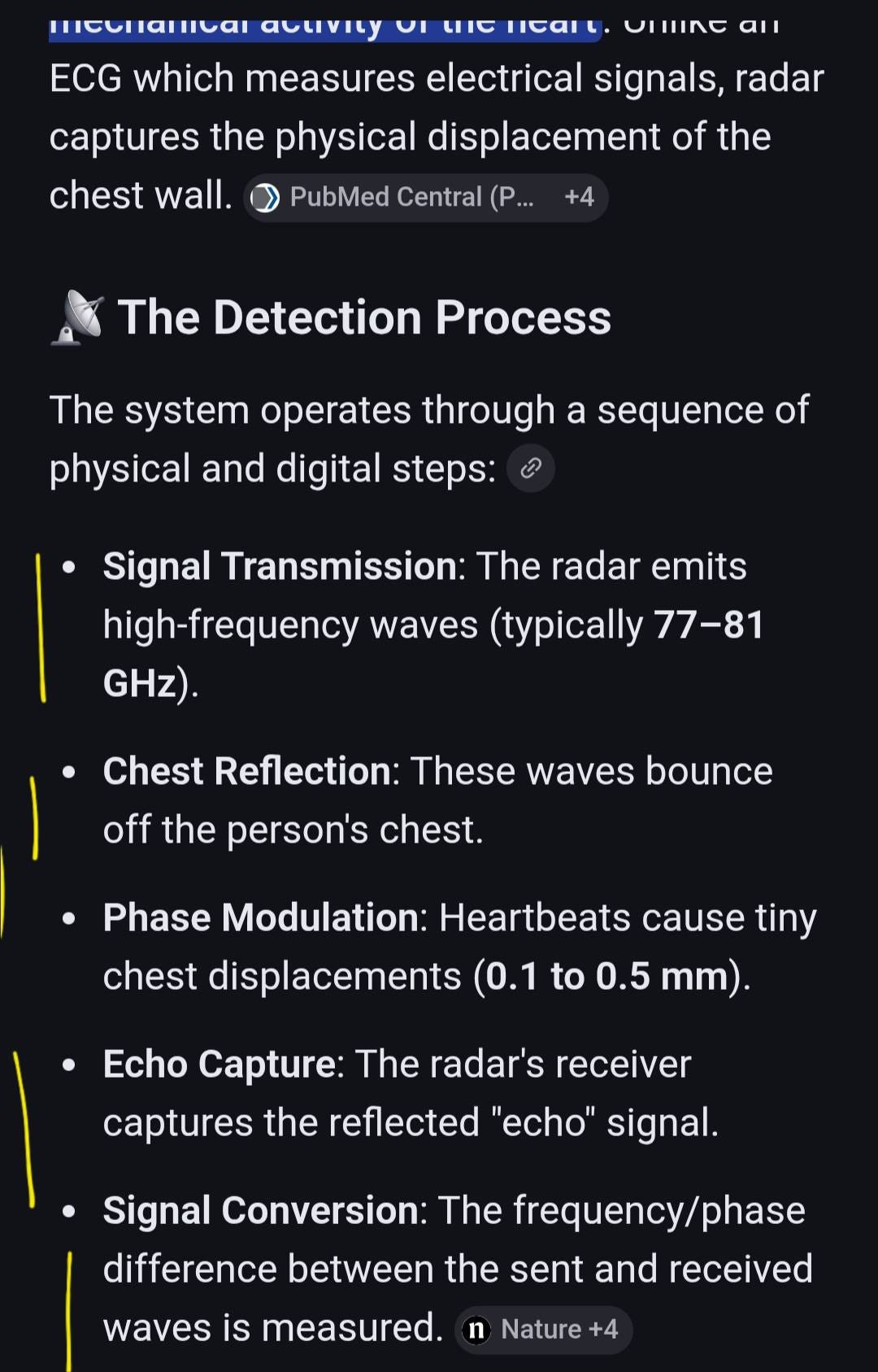
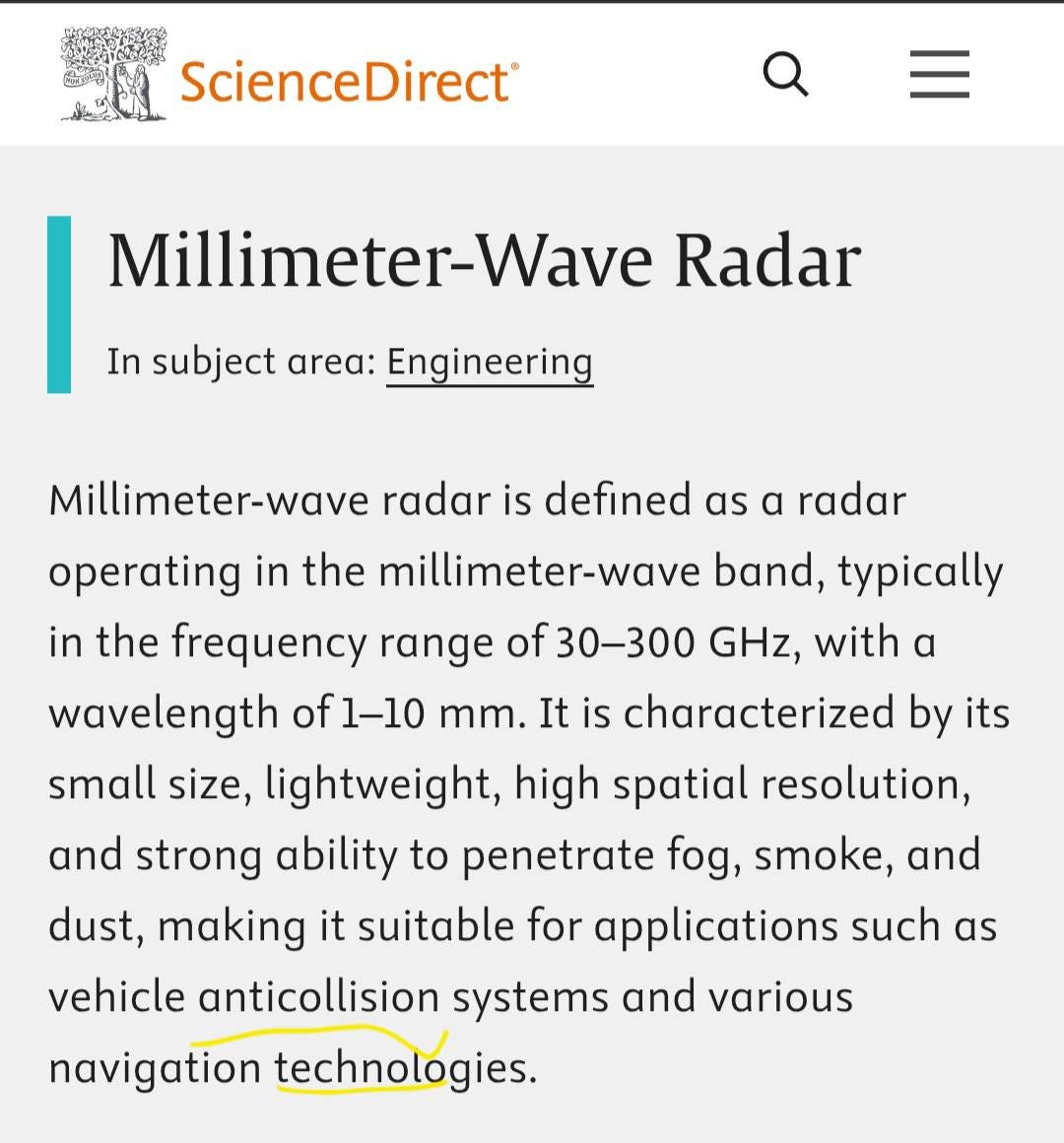
Millimeter wave radar at high frequencies (77-81 GHz and potentially as high as 300 GHz) is emitted in a beamform of electromagnetic radiation. Vehicles with anti-collision technology uses the millimeter wave as do vessels with navigation technology.
Unlike LIDAR which uses linear laser beams (photons), millimeter wave radar uses cone shaped electromagnetic beams.
The millimeter wave beams detect motion, and its high frequencies make the waves sensitive to smaller movements than Wi-Fi and microwave technology.
The beams bounce off a person’s chest, detecting chest displacements (0.1 - 0.5 mm) from the heartbeats. These movements are called micro-vibrations.
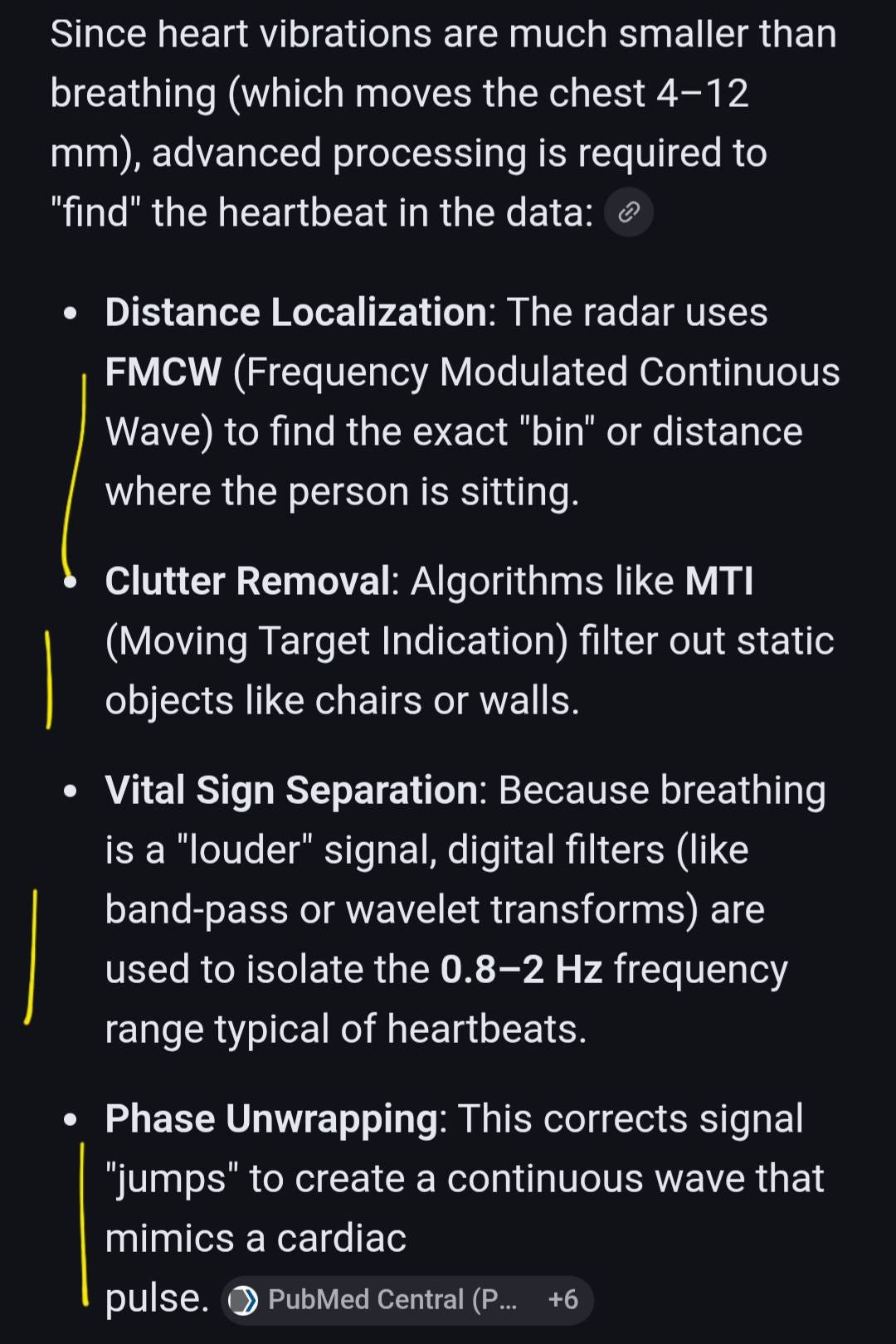
Algorithms remove static noise or unrelated movements, and digital filters isolate the heartbeats, creating a continuous wave that mimics the heart beat.
With the emergence of so-called smart cities aka 15 minute confinement zones and smart almost any device, millimeter wave radar will be a central part of identification, surveillance, and tracking of people.
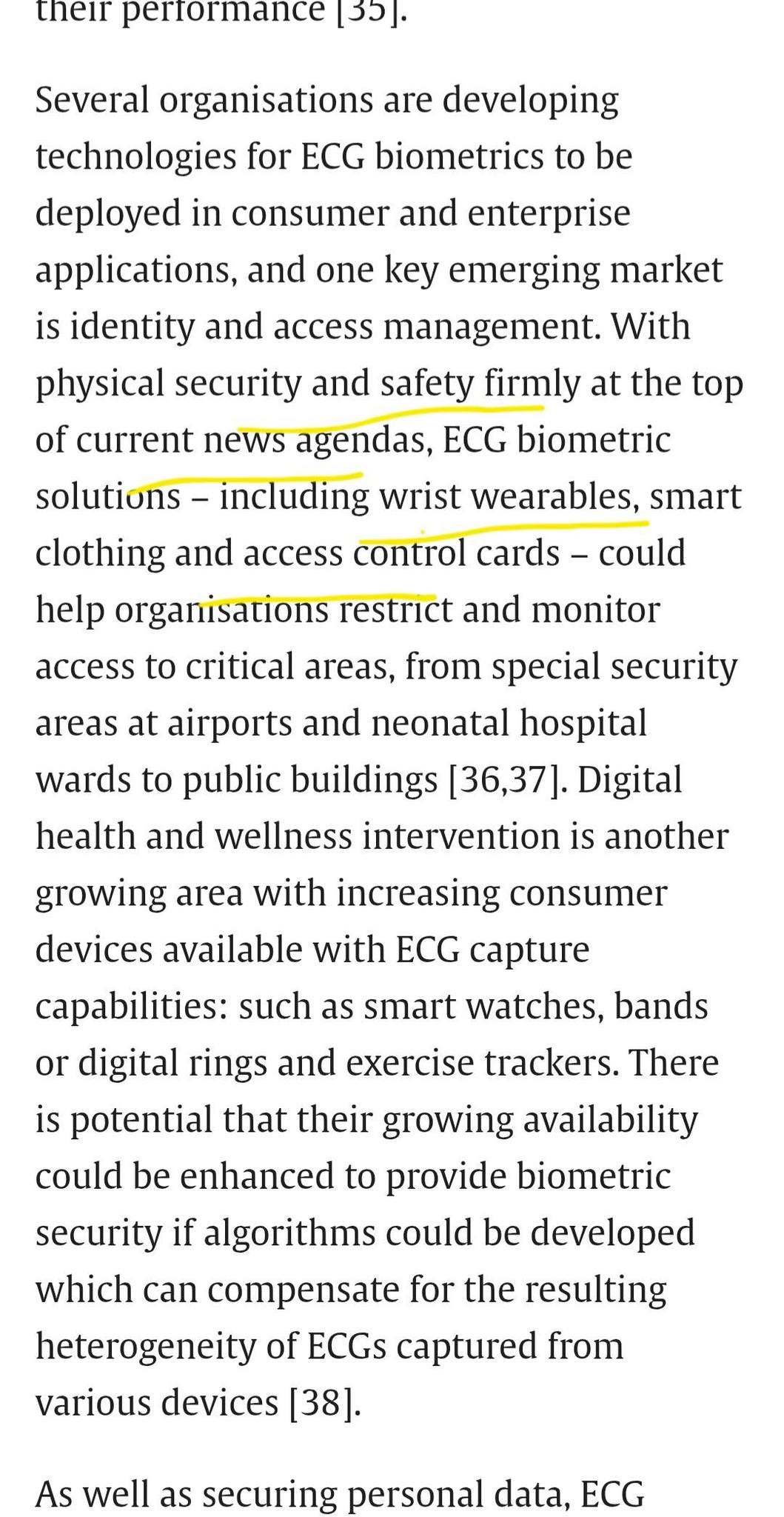
Smart watches, smart clothing, smart access cards can be used to create a database of people’s cardiac signatures and identify people based upon their heartbeats. (The millimeter wave and by extension their antennas are extremely small. So small that they can fit in a smart watch or phone: Millimeter wave 10 mm to 1 mm. 1 mm is 0.039 inches about the size of a paperclip wire or thickness of a credit card.)
At airports, there are millimeter wave body scans which can also detect heartbeats, and thereby identify a person according to their cardiac signature and collect data on their heartbeats.
As we have discussed, there are increasing cellular network deployments such as phased antenna arrays and collinear antenna arrays that utilize the millimeter wave. And according to government deployments plans, the millimeter wave is set to be deployed significantly in 2027 in the public domain.
https://www.facebook.com/share/p/1CjpT9GvvS/
Overall, there will be almost no privacy as this technocracy emerges as shown by the millimeter wave radar. Without privacy, people will be vulnerable to those overseeing them including artificial intelligence algorithms.
Thanks again for continuing to post. Very important for others to see. Restacked and shared with others.
Thank you Stephen for this valuable information I will be sharing it with everyone I know and as many others whom I can contact, take care and keep up the great work you and your group continue to do!